One of the most interesting trends in VR at the moment is the growing enthusiasm for mods. From bringing established flatscreen games into VR to adding entirely new ways to experience familiar worlds, modders are demonstrating just how much potential remains untapped. They extend the life of games, give communities something new to explore, and often deliver experiences that would never otherwise exist. That is a positive thing for VR. The creativity and technical skill involved deserve recognition, and a passionate community willing to experiment with new ways to play is something the industry should encourage. But I think there is another side to this conversation.
While some of the most exciting discussions in VR are centred on mods, professional studios are facing increasingly difficult commercial conditions. I’m hearing more concerns about falling Meta Quest sales, including from developers working on substantial, high-profile projects. Even games such as Teenage Mutant Ninja Turtles: Empire City illustrate the challenge: a recognisable franchise and a significant development effort don’t automatically translate into the commercial success studios need.
These are not necessarily connected trends, and modding isn’t the problem. But I do think we need to be careful about what we celebrate, and what we risk overlooking.
A mod can breathe new life into an existing game, but it doesn’t have the same commercial responsibilities as a studio investing years of work into a product, employing a team, and trying to build a sustainable business around it. If the conversation increasingly focuses on what can be achieved by modifying existing games, we shouldn’t lose sight of the value of creating genuinely new VR experiences.
We need both.
That is one reason I’m looking forward to PAYDAY: Aces High later this year. A substantial, purpose-built VR game from an experienced studio, built around a recognisable franchise, is exactly the sort of release that can help demonstrate what dedicated VR development can deliver. There is plenty of potential here, and I hope it finds the audience it deserves.
I also think we need to keep an open mind about how VR games reach that audience.
Premium games will remain important, but free-to-play still has room to grow. Lowering the initial barrier to entry can make it easier for people to try something new, build a community and discover a game they might never have purchased upfront. Of course, free-to-play isn’t a magic solution: retention, monetisation and the cost of ongoing development still have to add up. But it deserves serious consideration as part of a broader approach to growing the market.
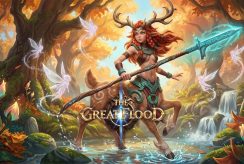
It’s something I’ve been exploring through Tiny Brains’ work on The Great Flood, and I believe there are still opportunities for developers and publishers prepared to look beyond the traditional premium model.
Ultimately, mods, premium releases and free-to-play experiences can all contribute to a healthier VR ecosystem. They serve different purposes, appeal to different audiences and can complement one another. The real challenge is ensuring that the excitement around VR’s creative possibilities translates into a market where professional developers can also thrive. Because the long-term future of VR won’t be secured by what we can mod into existence alone. It will also depend on whether the studios building the next generation of original experiences can afford to keep doing so.
You may also like this
Marketing Free-to-Play VR is a Very Different Game

What Two Weeks in China and Japan Taught Me About the Future of XR
